From pre-treatment to post-treatment and process chemicals — every stage of the water treatment chain, designed and manufactured by Aquamatch.
From the first filter to the final disinfection — click a stage to see the system.
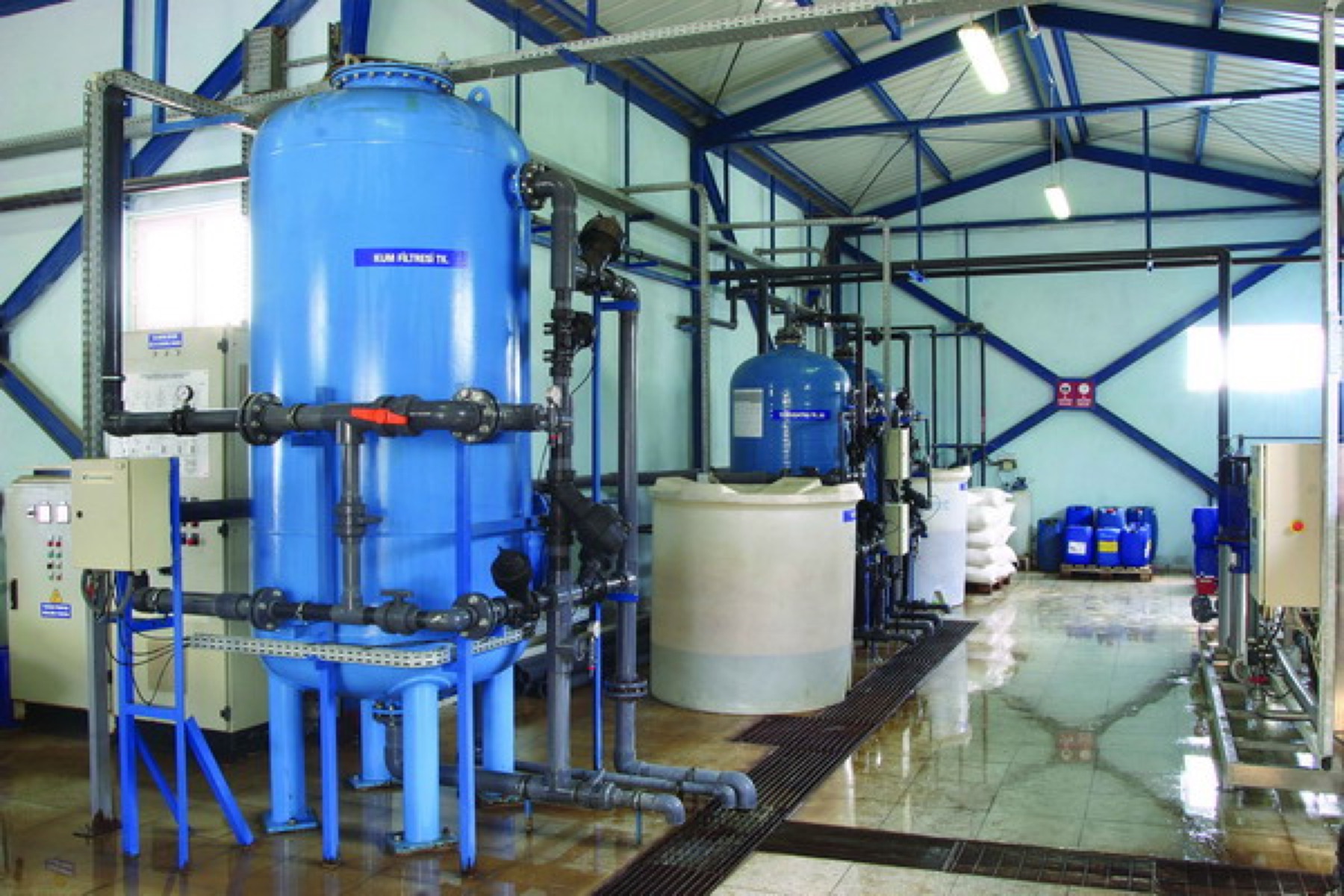
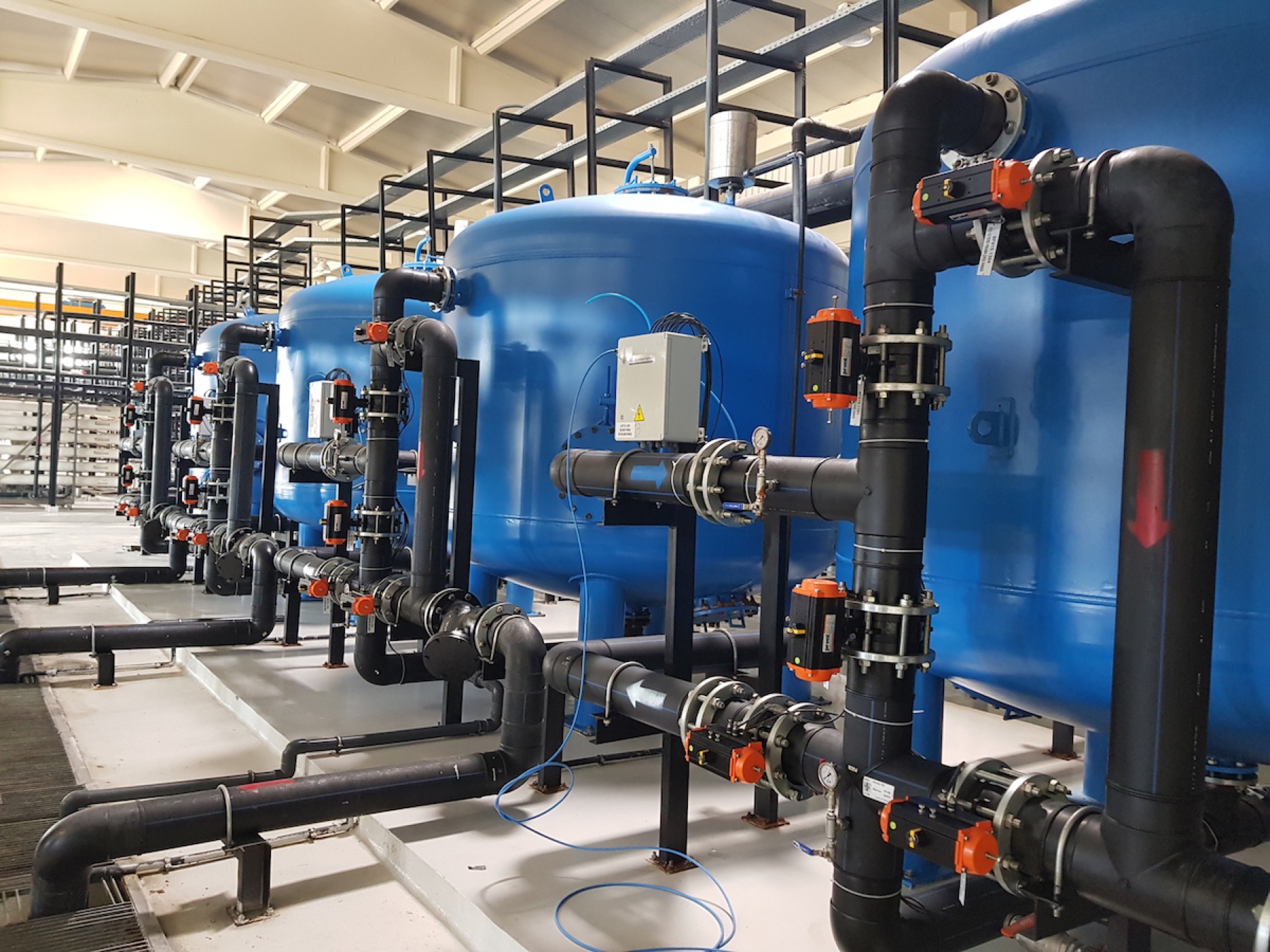
01Filtration Systems remove physical impurities such as sediments, turbidity, suspended solids, colour, odour and smell. They are mostly used as pre-treatment system. Filtration system technologies include fine mesh screening, media filtration and membrane filtration, all of which separate solids from water. This is necessary to start the purification process with the basic step of removing the large particles which could foul or clog the more sensitive equipment used in later stages.
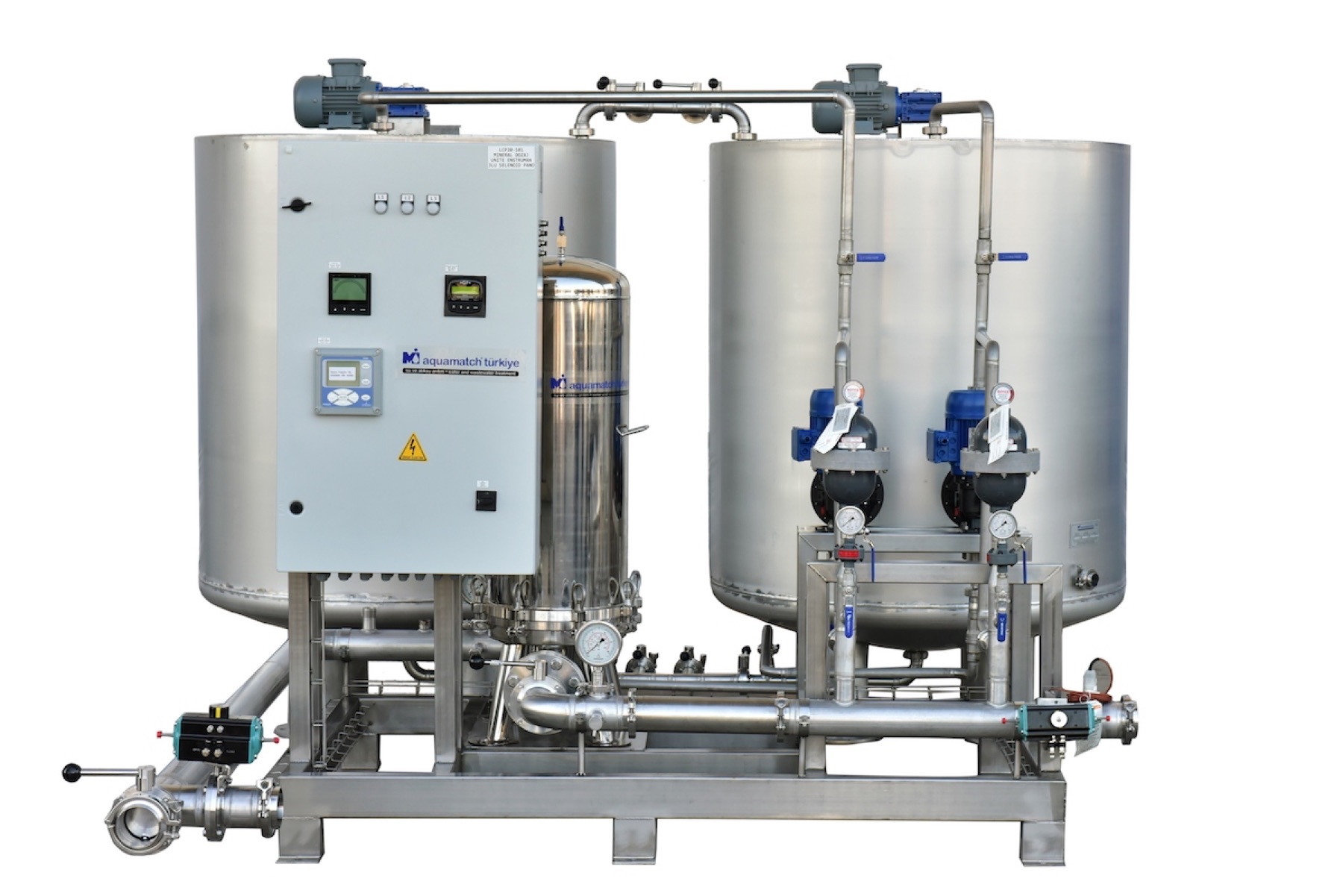
02Softening system removes hardness by exchanging calcium and magnesium ions with sodium based resin. When the resin is exhausted, it is regenerated with brine which is stored in brine tank automatically. Softening system may be used in various working areas; from domestic to industrial, softening system is vital for a successful water treatment process. Furthermore, softening system enhances energy transfer in the following utility stages.
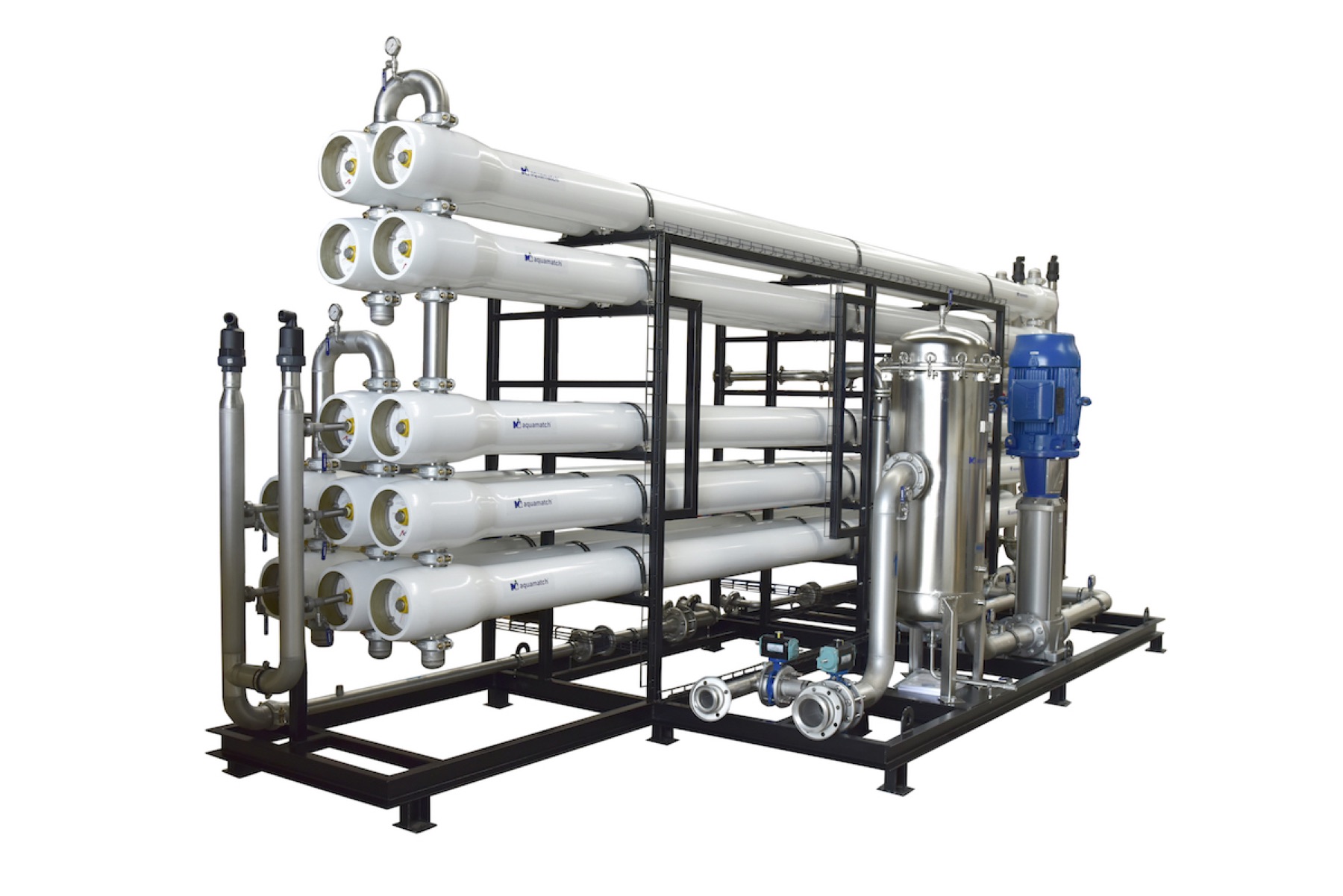
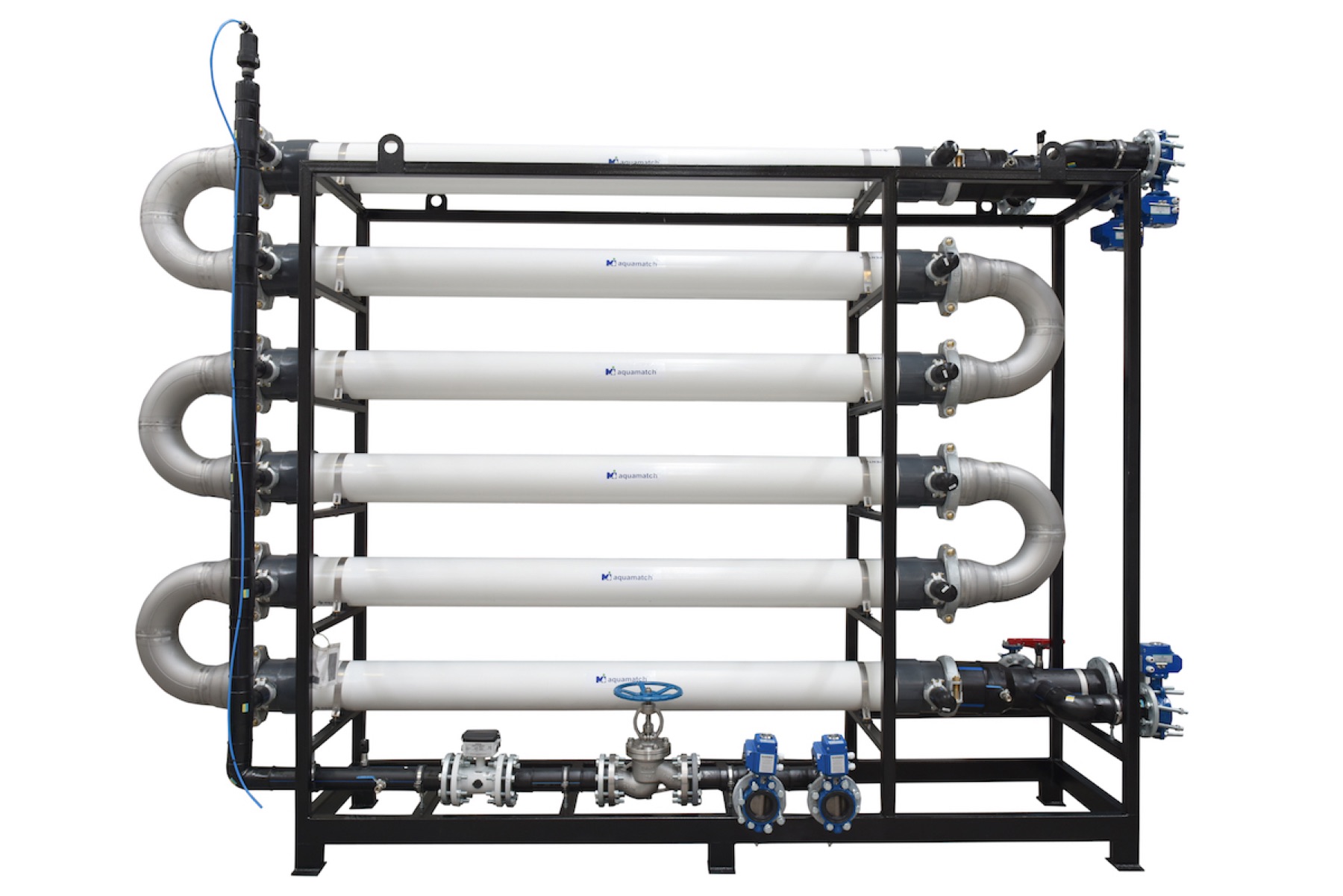
03Membrane technology is a generic term used to describe separation processes that use a ‘membrane’. The membrane is a special filter that lets water flow through while catching suspended solids and other substances. Several methods that enable substances to penetrate a membrane. For instance, applications of high pressure, the maintenance of a concentration gradient on both sides of the membrane and the introduction of an electric potential may activate the membrane treatment process.
Membrane technology has become a widely acclaimed separation technology over the past decade. The distinctive feature of membrane technology is that it works without the addition of chemicals and use relatively less energy than conventional thermal separation processes. Membrane separation process is only physical. Membrane technology is becoming increasingly crucial in waste water treatment.
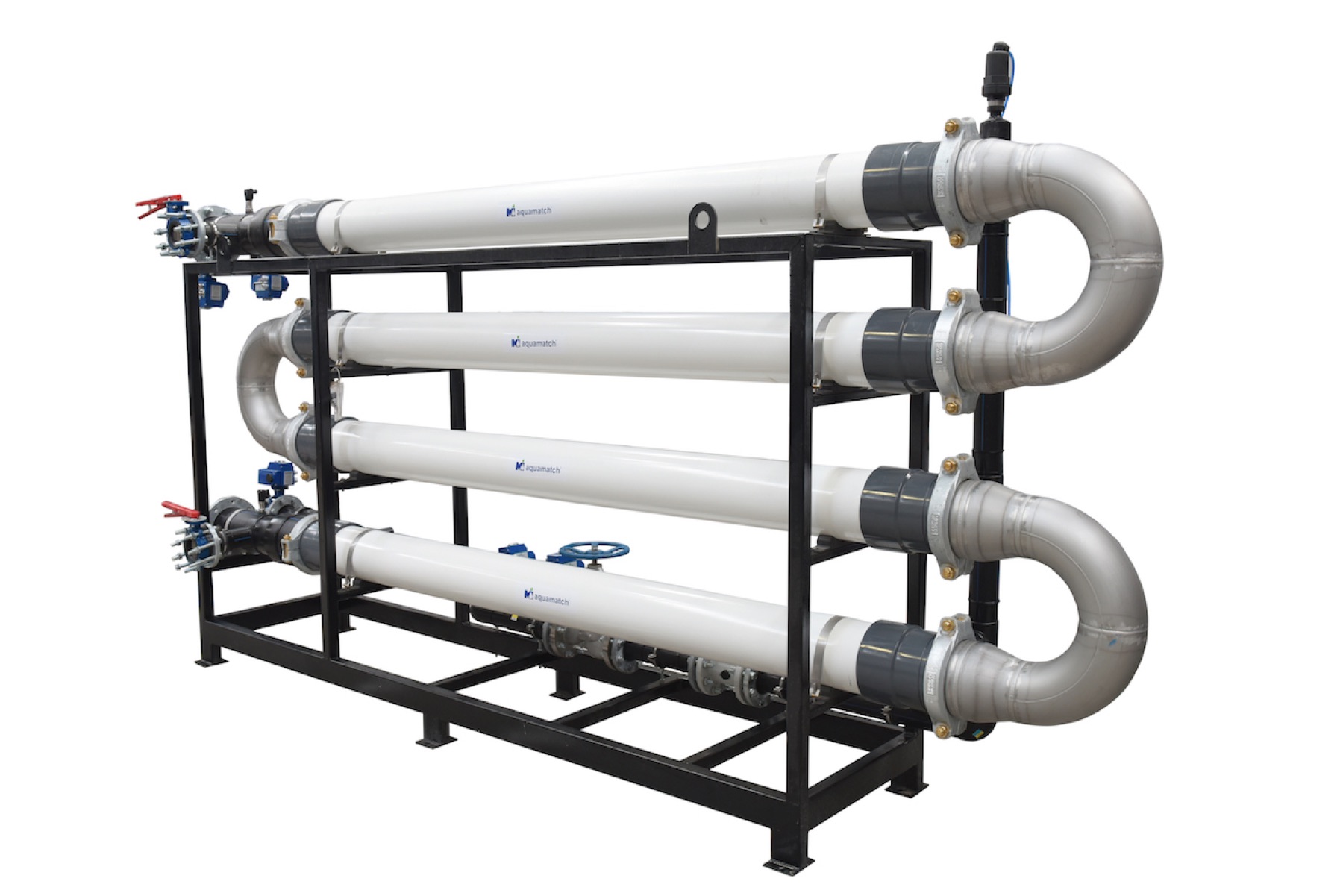
04Disinfection is the process of removing, deactivating or killing of pathogenic microorganisms. Disinfectants must have a residual effect, which means that they remain active in the water after disinfection. Therefore, disinfectant should prevent pathogenic microorganisms from growing in the plumbing after disinfection. Disinfection is usually one of the final steps the treatment.
Ultraviolet systems are becoming widely used in the recent years. The advantages of this alternative method is that it does not alter taste, odour, colour or PH of water; it does not impact toxic by-products into the water; it requires very little maintenance and running costs are often lower than other disinfection methods.
05Wastewater treatment is the process of converting wastewater – water that is no longer suitable to use – into water that can be reused for another purpose and/or discharged back to the environment. Wastewater is full of contaminants including bacteria, chemicals, pathogens and toxins. Its treatment aims to reduce the contaminants to acceptable levels and make the water safe for human health and biodiversity.
Wastewater treatment plants are designed based on the organic load of the initial wastewater and the expected standards of the product water. Both conventional treatment equipment and membrane technology can be used in the production of the wastewater treatment plants.
06Grey water is the domestic wastewater, which consists of showers, bathtubs and sinks, excluding blackwater (sewage). The main difference between greywater and blackwater is the density of organic loading. Sewage has a much larger organic loading compared to greywater, making it harder and more costly to treat.
Treated greywater can be used in the irrigation process. Grey water reuse has major benefits to environmental sustainability. First, it reduces the need for fresh water. Minimizing freshwater use would reduce household water bills and demands on public water supply. Second, grey water reuse would reduce the amount of wastewater entering sewers or on-site treatment systems. Again, this benefits both households and the larger public.
07The choice of posttreatment process is determined by regulatory requirements, the design of the system, expected water quality criteria and water chemistry. Post-treatment processes typically include stabilization, disinfection and corrosion control, and can include degasification and/or air stripping processes. Four primary issues concerning the post-treatment water are blending, remineralization, disinfection and the materials used for storage.
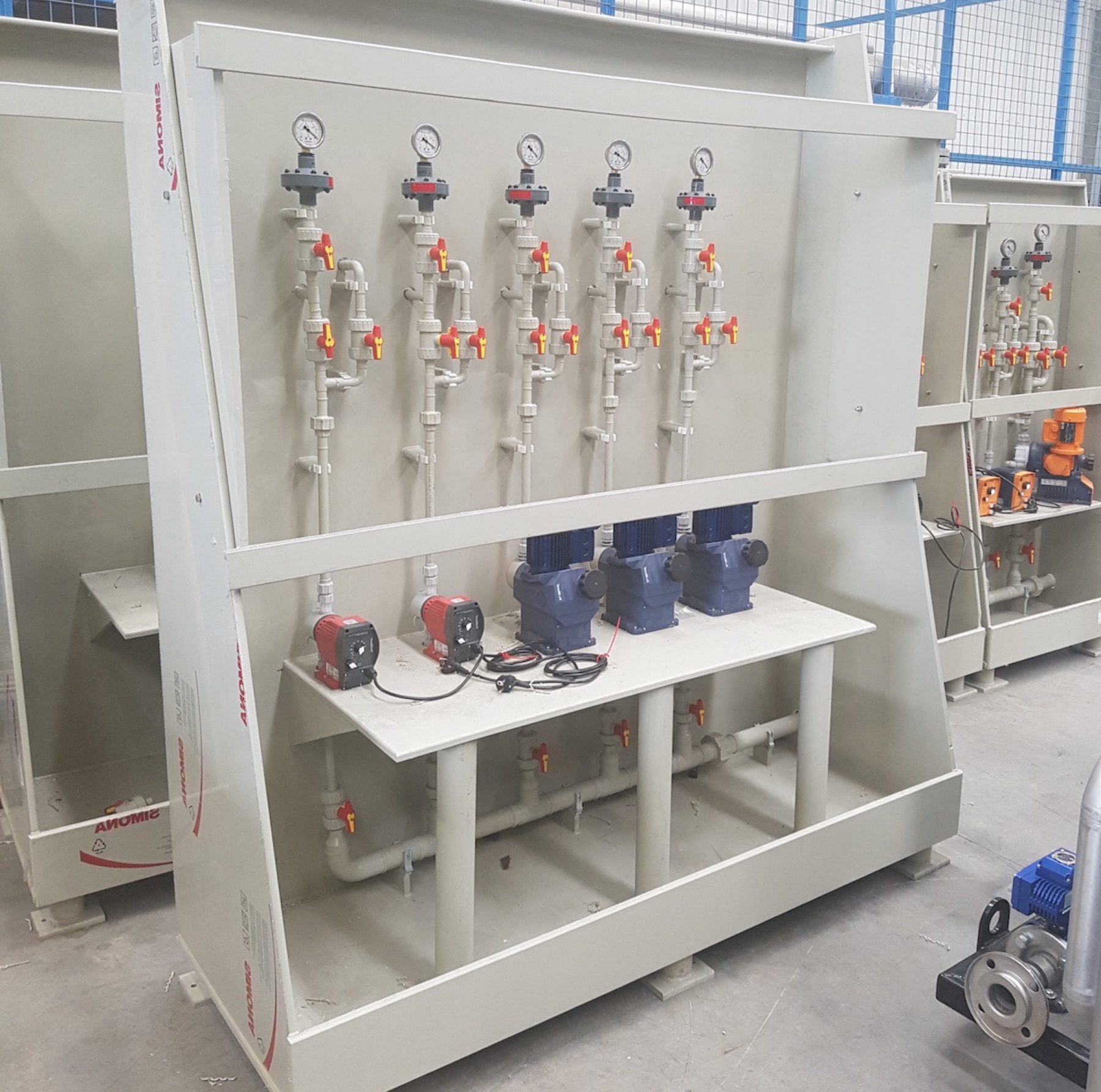
08Aquamatch provides its own chemicals for RO plants and Industrial Systems to achieve optimum efficiency and smooth operation with a minimum operating cost. Through the use of chemicals Aquamatch aims to maximize production and minimize environmental footprint. With years long experience in chemicals conditioning field Aquamatch provides the best optimization for water savings.
By using Aquamatch RO chemicals, you can lower operating costs and improve system performance as well as recovery. Plus, using suitable chemicals extends membrane lifetime and decreases maintenance requirement. These enhancements result in more production.
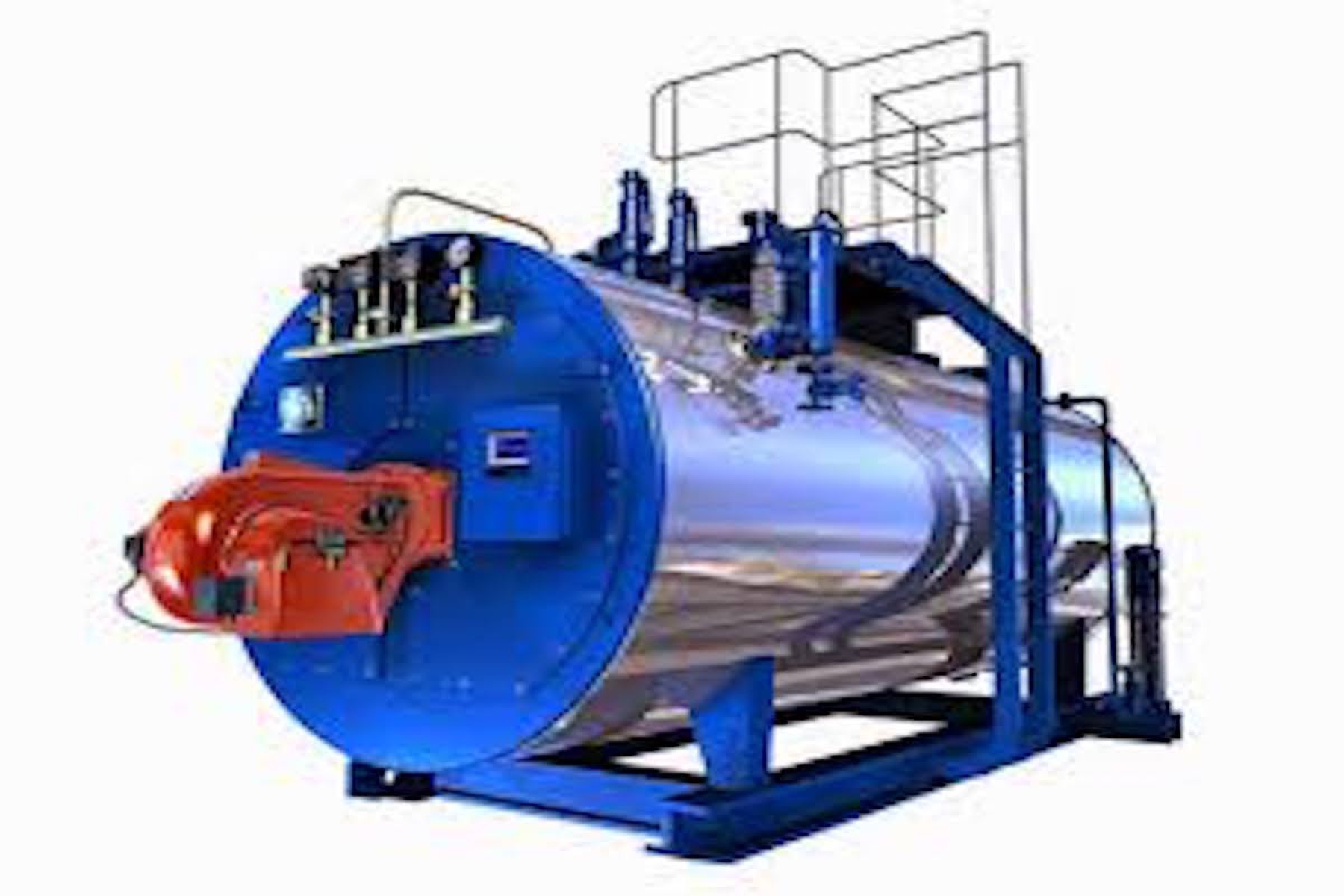
Selection of suitable chemicals is the most essential part of water conditioning for Industrial systems like Boiler, Closed Systems, and Cooling water systems. Aquamatch provides the best quality chemicals with its own experience and site service supports to his industrial clients.
Aquamatch’s industrial chemicals ensure safe and reliable operation along with water & energy savings.